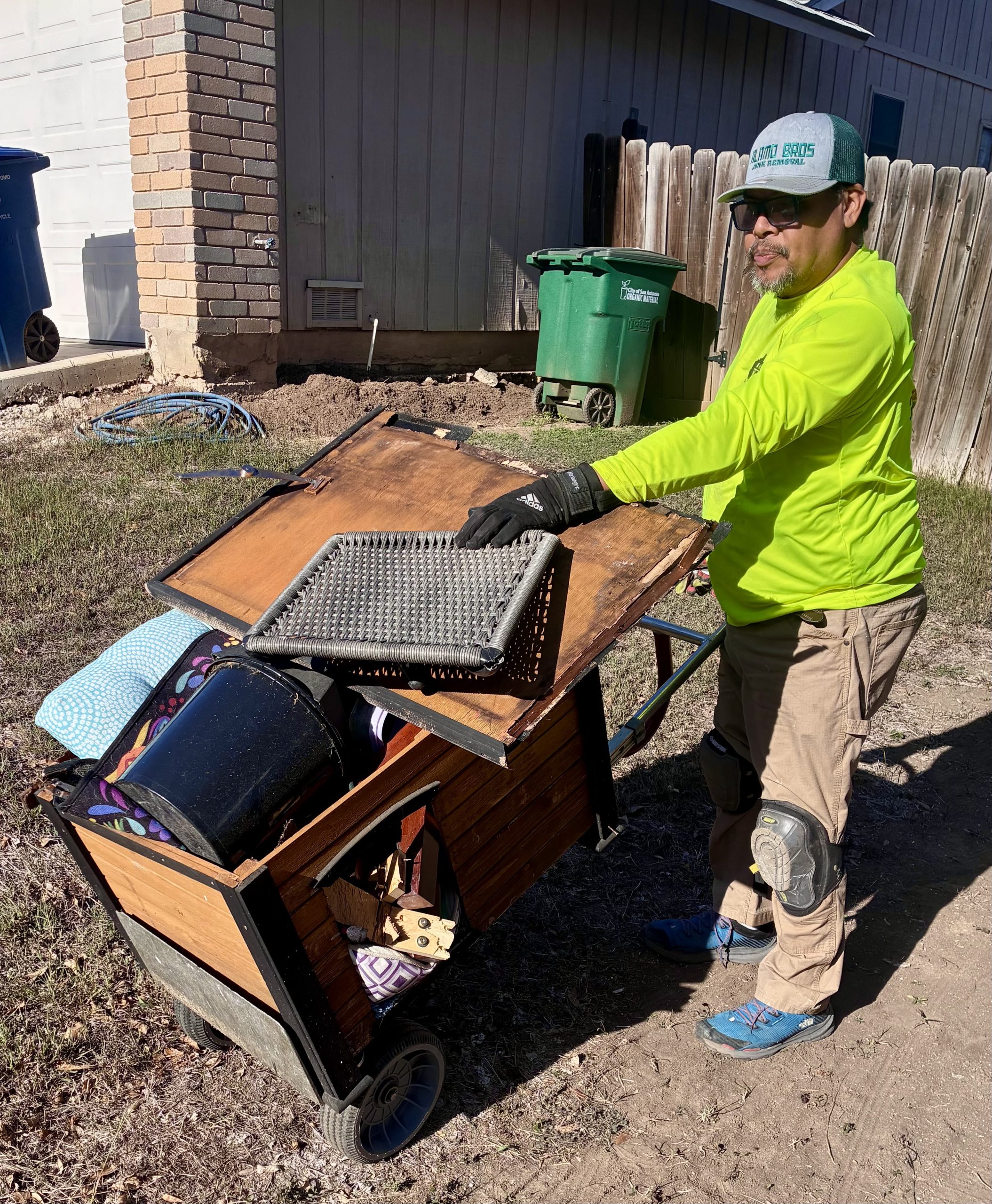
An estate cleanout can involve more than deciding which furniture to remove. There may be personal belongings to sort, family members to coordinate and a property deadline to work toward. Breaking the work into clear stages can make the removal portion easier to organize.
This guide focuses on preparing unwanted items for removal. It is not legal, probate or valuation advice, and it does not replace decisions about who has authority over the belongings. For help with the hauling portion, see Alamo Bros’ estate cleanout service in San Antonio.
Start with one decision-maker and a shared plan
Identify the person who can approve the removal list and answer questions on the day. If several relatives are involved, give everyone a clear way to identify items they want to discuss before anything leaves.
Write down the goal: clearing selected rooms, removing bulky furniture or preparing an entire property for its next use. A limited first phase can be more manageable than making every decision at once. Share any deadline when requesting an estimate, but confirm availability before planning around it.
Set aside documents, keepsakes and uncertain items
Before arranging hauling, put documents, photographs, jewelry, keys and sentimental belongings in a clearly identified place outside the removal areas. Check drawers and storage containers rather than assuming their contents should leave with the furniture.
Create an “undecided” area for items that need another conversation. That keeps a removal crew from having to interpret conflicting instructions. If you are unsure whether something has value or who should receive it, resolve that separately before including it in the removal list.
Build a room-by-room inventory
A simple checklist is enough. For each room, note the furniture, boxes and other items to remove, along with anything that must stay. Include garages, sheds and outdoor spaces if they are part of the request.
Photograph each area from a wide angle and identify items hidden behind larger pieces. Avoid sending only close-ups of the largest objects: the smaller contents can be a substantial part of the job. Update the list if relatives collect belongings or if another room is added after the first estimate discussion.
Describe access and property conditions
Tell the removal team about stairs, narrow doorways, gates, parking restrictions and the distance between the items and the loading area. Explain whether someone will be on site, where entry will be available and whether a property manager needs to coordinate access.
Do not move heavy furniture or enter an unsafe space simply to prepare photographs. Describe any inaccessible area and ask how it should be assessed. Mention damaged flooring, unstable storage or other visible concerns so they can be discussed before work is arranged.
Separate the removal scope from other services
Confirm exactly what the estimate covers. Removing unwanted household items does not automatically include deep cleaning, repairs, document destruction, appraisal, sale arrangements or donation delivery. If you need any of these, ask who will handle them and coordinate their timing separately.
Also disclose paint, chemicals, batteries or unidentified containers rather than adding them to mixed household piles. Ask about acceptance before pickup. The EPA provides guidance on household materials that need special disposal care; local options and the removal company’s accepted items should be confirmed directly.
Do a final check before removal begins
Walk through the agreed rooms with the person overseeing the job. Point out the items to keep, confirm the removal list and identify changes since the estimate. Keep one contact available for decisions rather than sending different instructions through several people.
- Have the keep, remove and undecided groups been separated?
- Does the inventory match the current contents?
- Have access, unusual materials and the deadline been discussed?
- Does everyone understand what the removal service includes?
When the removal list is ready, request an Alamo Bros estimate. Share the property location, rooms involved, photos and access details so the team can review the estate cleanout request.